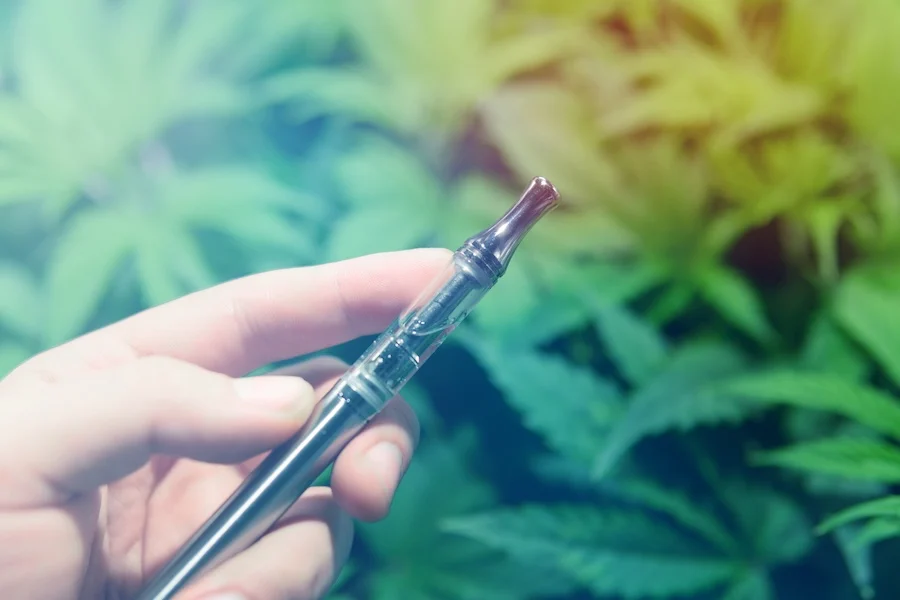
The Texas Legislature recently made a huge change to the way state law treats vape pens. On September 1, 2025, Senate Bill 2024 (SB 2024) took effect, banning many vape products that were once widely available throughout the state of Texas. Due to Senate Bill 2024, it is illegal for a person in Texas to purchase a vape pen or vape pens containing THC oil of any concentration. This means a vape pen that contains hemp-derived cannabinoids such as Delta-8 and THCA cannot be legally sold in Texas. This article walks you through what you need to know about the new Texas vape pen laws from 2025, reviews the legality of THC vape pens, and explains what happens if you get caught with one.
At Austin Hagee Law Firm, we understand that these sudden changes can be confusing and even frightening for both merchants and purchasers, which only intend to be on the right side of the law. You want to know what the law says, the penalties, and whether your future is at risk. Our firm is led by an award-winning criminal defense attorney, Austin Hagee, and our team can guide you through the new developments in the law and protect your interests.
Confused About the Texas Vape Pen Ban and What’s Legal in 2025?
If you use or carry vape products, THC, THCa, or CBD, it’s easy to feel blindsided by changing Texas laws and headlines about “bans.” A simple misunderstanding can lead to an arrest, a search, or charges that put your record at risk. Austin Hagee Law Firm can help you understand where you stand and what to do next to protect your rights.
Talk to a Former Prosecutor About Your Case
Austin Hagee Law Firm finances its own clients directly, with flexible payment plans and a low initial payment. Call to find out what a defense would look like for you.
What Are the Texas Vape Pen Laws from 2025?
SB 2024 is one of three major laws passed by the 89th Texas Legislature targeting e-cigarettes and vape products. Here’s what the law does:
- Expands the definition of “e-cigarette.” Any vape device or cartridge containing THC, THCA, CBD, or other non-nicotine oil falls under the definition.
- Bans certain ingredients. E-cigarette products can no longer be sold that contain cannabinoids (e.g., THC, THCA, or CBD), alcohol, kratom, kava, mushrooms, or tianeptine.
- Bans foreign-made vapes. Interestingly, the SB 2024 prohibits any vape product manufactured in China or another foreign adversary of the United States.
- Restricts packaging. Vape products can’t be shaped like toys, food, office supplies, or other tech gadgets, or use celebrity names or images to make them hard to recognize or give them added celebrity influencer status.
Put simply, the Texas SB 2024 vape ban makes it illegal to market, sell, and possibly even possess many vape pens previously considered legal in the state. Prior to September 1, 2025 many of these products were sold throughout the state by both gas stations and hemp retail stores. Locations with back inventory can no longer legally sell these items after the passage of SB 2024.
It’s important to understand that SB 2024 primarily targets the sale and marketing of these products, not necessarily simple possession in all cases. However, as we explain below, law enforcement often treats any vape pen as illegal, which can lead to arrests and charges even when the law is more nuanced.
The Other New Vape Laws
Senate Bill 2024 didn’t happen in a vacuum. Two other bills also became law at the same time:
- Senate Bill 1313 prohibits vape and tobacco ads that appeal to minors, such as using cartoons, food imagery, or celebrities; and
- Senate Bill 1316 bans e-cigarette advertising within 1,000 feet of schools and churches.
Together, these laws show that Texas is cracking down hard on vaping, especially products linked to young people. The Texas legislature’s focus on these legal changes are likely because hundreds of students are getting caught with THC and e-cigarettes in major cities like San Antonio, Fort Worth, Dallas, and Houston.
Are Weed or THC Vapes Illegal in Texas Now?
In many situations, yes. Selling and marketing THC vapes is now a crime, and having one of these products might catch you in the crosshairs of the law. Law enforcement tends to view vapes as completely illegal now. Also, most law enforcement officers assume that any vape with even a legal hemp-derived concentration of THC are illegal and will arrest you and send the vape pen off to be tested. Unfortunately, many hemp-derived products will be improperly tested and show an illegal concentration. This has been noted in several ethical disclosures from the Department of Public Safety. For these reasons, it is very important that you retain a lawyer that understands the current situation in Texas, and can help you fight your legal case head on at the most vulnerable attack points. However, the Texas SB 2024 vape ban makes exceptions for products meant to administer medicine. So, a pen containing cannabinoids might not be contraband if it is for medical marijuana that falls under Texas’s Compassionate Use Program or “CURT” Program. If someone is found to be in possession of a vape pen with a valid CURT registration at the time of the possession, and the device is a legal concentration designed to administer a prescribed substance, then that person is not committing a crime in Texas.
Is Delta-8 Banned in Texas After the Vape Ban?
Delta-8 THC was one of the most popular hemp-derived products sold in Texas before SB 2024 took effect. Under the 2018 Farm Bill, hemp-derived products containing less than 0.3% Delta-9 THC were federally legal and Texas followed suit. Delta-8 vape cartridges were sold everywhere from smoke shops to gas stations.
After September 1, 2025, Delta-8 vape pens are effectively banned under SB 2024 because the law prohibits the sale of any e-cigarette product containing cannabinoids or their derivatives. This includes Delta-8, Delta-10, THCA, THCP, and other hemp-derived cannabinoids in vape form.
However, it’s worth noting that Delta-8 in non-vape forms — such as edibles or tinctures — is not directly addressed by SB 2024. The law specifically targets e-cigarette products. That said, possession of any THC concentrate (including Delta-8 oil) can still be charged under existing Texas drug laws if law enforcement believes the product exceeds the legal threshold.
What Happens If Police Catch Me with a THC Vape in Texas?
It depends. Violating the provisions of SB 2024 by selling a vape pen is typically a Class A misdemeanor, which can mean:
Selling or Marketing Violations (SB 2024)
Violating the provisions of SB 2024 by selling a banned vape pen is typically a Class A misdemeanor, which can mean:
- Up to a year in the county jail,
- Up to $4,000 in fines, or
- Both.
Possession of THC Concentrate
If your vape pen contains THC oil — even a small amount — you could face much more serious charges under the Texas Health and Safety Code. Texas classifies THC concentrate (oil, wax, edibles) differently from marijuana flower:
- Less than 1 gram: State jail felony (180 days to 2 years in state jail, up to $10,000 fine)
- 1-4 grams: Third-degree felony (2-10 years in prison)
- 4-400 grams: Second-degree felony (2-20 years in prison)
- 400+ grams: Enhanced first-degree felony (5-99 years or life)
This is a critical distinction many people miss. Even a single vape cartridge with a small amount of THC oil can result in felony charges because the oil is classified as a concentrate, not as marijuana flower.
Is a Vape Pen a Felony in Texas?
It depends on what’s inside the vape pen. If the pen contains THC oil or concentrate of any amount, you can be charged with a felony under the Texas Health and Safety Code. Even a small, personal-use cartridge with less than a gram of THC oil is classified as a state jail felony — which carries 180 days to 2 years in state jail and up to $10,000 in fines.
If the vape pen contains only nicotine, CBD, or another non-THC substance, it is generally not a felony to possess. However, under SB 2024, selling CBD or cannabinoid-containing vapes is now a Class A misdemeanor.
The key takeaway: the charge depends on the substance and the amount. If you’ve been arrested with a vape pen, don’t assume you know what you’re facing. A THC vape pen defense attorney who understands Texas vape pen laws can review the lab results and challenge the charges if the testing was flawed.
Are CBD Vape Pens Illegal in Texas?
Unlike THC products, CBD or hemp-derived cannabinoids likely won’t impair your faculties, but some uses of CBD might hurt your criminal record. Senate Bill 2024 prohibits the sale, marketing, or offer of e-cigarettes containing cannabinoids or their derivatives. CBD vape pens are illegal to sale in Texas because they fall within the expanded definition of “e-cigarette products.” Depending on the circumstances, selling or purchasing a CBD vape could now lead to criminal charges. Additionally, many law enforcement officials feel like possession of formerly legal CBD products are illegal, but SB 2024 did not change any Texas laws on possession.
To be clear: CBD itself is not illegal in Texas. Products derived from hemp containing less than 0.3% Delta-9 THC remain legal under Texas law — in non-vape forms. The ban under SB 2024 applies specifically to CBD in e-cigarette or vape pen form.
How Old Do You Have to Be to Buy a Vape in Texas?
If your child has been caught with a vape pen at school — particularly one containing THC — the consequences can be severe, potentially including suspension, expulsion, and even criminal charges. It’s important to take these situations seriously and consult with an attorney.
Minors caught with vape products can face civil penalties, and retailers who sell to underage buyers face fines and potential loss of their business license. With the additional restrictions under SB 2024 and the companion bills (SB 1313 and SB 1316), Texas is clearly making it harder for young people to access vaping products.
In Texas, you must be at least 21 years old to purchase any tobacco or e-cigarette product. This age requirement was raised from 18 to 21 under a federal law passed in December 2019, and Texas follows this standard.
Can a THC Vape Charge Be Removed from My Record?
Sometimes. Being charged under a criminal Texas vape pen law doesn’t have to follow you for the rest of your life. Let’s look at some of your options to get it removed from your record.
A Dismissal
If there is a legal or factual insufficiency with your case, your case can be dismissed. Dismissed cases are eligible to be expunged from your record, but the expunction is subject to specific timelines. Consult a Texas criminal defense lawyer to see what timelines would apply to your specific charge.
A Pretrial Diversion Agreement
Many District Attorneys in Texas now offer the opportunity to enter into a Pretrial Diversion Agreement (PTD) agreement to resolve non-violent drug crimes for first-time offenders. These contracts can help resolve cases without a formal plea and can open up earlier expungement timetables. In cities that allow PTD agreements, it can be very beneficial to have an attorney help you negotiate the terms of your PTD agreement as it is a binding civil contract between you and the DA’s Office.
Expunction of Your Record
An expunction permanently removes an entry from your criminal record. Although not everyone is eligible, you may petition the court for removal. Expunction may apply when:
- The defendant has been pardoned;
- The defendant has been tried and acquitted (under certain circumstances); or
- A statutorily required amount of time has passed, and an indictment or information has not been presented against the defendant after an arrest.
- The defendant has received a dismissal and the statute of limitations for the offense has passed.
We can help you determine if this remedy is available and start court proceedings on your behalf to petition the court for expunction.
A Nondisclosure Order
A nondisclosure order can seal your record so that your criminal convictions or offenses aren’t visible to the public. Typically, you can seek this solution if you don’t have a violent criminal history and you are charged with a case that did not result in a conviction or is specified as eligible for a nondisclosure. A nondisclosure does not completely erase your record like an expungement, but it does seal your record from the eyes of most members of the public. Common exceptions that can still view nondisclosed criminal history in Texas are law enforcement, the government, and the military.
Don’t Guess on THC, THCa, or CBD — Get a Defense Plan Before It Becomes a Case
If you’re worried about a Texas vape pen ban in 2025, you’re not alone—laws can change fast, and what seems “legal” online may still trigger arrests in Texas. Whether you’re carrying a vape, traveling with products, or facing questions after a stop, the stakes can feel immediate and scary. Austin Hagee Law Firm is your guide—here to help you understand the law, your exposure, and the smartest next step. We’ll look at the details, explain how Texas treats THC, THCa, and CBD products, and identify the strongest defense angles if you’re already under investigation or charged. If law enforcement seized a device or product, we can help you respond the right way and avoid costly mistakes. Our goal is to protect your record, your freedom, and your future with a clear plan—not panic. Reach out now to get answers and take control.
Is My Future Over If I Got Caught with a Vape?
No. While the law is tough, a single mistake does not have to define your future. In many cases, vape pen violations are misdemeanors, depending on the weight and amount of oil, which may come with shorter sentences, smaller fines, and fewer issues after a criminal history check than felonies. Also, after successfully resolving your case, we can work to clear or seal your record to limit who has access to your history. With the right legal defense from the Austin Hagee Law Firm, many people avoid jail time, protect their record, and move forward with their lives.
What matters most is acting quickly. The sooner you contact a criminal defense attorney, the more options you have to fight your charge.
Austin Hagee Law Firm Can Help
At Austin Hagee Law Firm, we provide award-winning advocacy and uniquely understand how to defeat prosecutors, due to being led by a former prosecutor. Our team has defended clients across Texas against serious drug charges, and we are ready to help you secure a great outcome in your case. Our firm’s lawyers have more than 20 years of combined experience, we are former prosecutors, and we have been recognized as some of the most skilled criminal defense lawyers in the state of Texas for drug offenses and criminal defense by publications such as Forbes, SuperLawyers, Lawyers of Distinction, SA Scene Magazine, and more. Our firm has also received over 250 five-star Google reviews from satisfied clients. The quality of our representation can be seen in our past success, which shows a pattern of thorough, aggressive, and consistent legal representation.
We believe every person deserves to have a law firm represent them with excellence and to be treated with dignity and respect. We can fight to protect your record, your rights, and your future. Please call us at (210) 500-3700 or contact us online to schedule a free consultation.
Resources
- Texas.gov, Texas Medical Marijuana, link.
- Senate Bill No. 1313 (2025), link.
- Senate Bill No. 1316 (2025), link.
- Offense: Possession of Marihuana, Tex. Health and Safety Code § 481.121 (2023), link.
- Penalty Group 2, Tex. Health and Safety Code § 481.103 (1) (2017), link.
- Offense: Possession of Substance in Penalty Group 2, Tex. Health and Safety Code § 481.116 (2023), link.
- U.S. Centers for Disease Control and Prevention, “Cannabis and Public Health: About CBD,” (January 31, 2025), link.
- Dell DeHay Law Library – Tarrant County, “Expunction & Nondisclosure Research Guide,” link.
- Pardon for Reason Other Than Actual Innocence, Tex. Code of Crim. Pro. § 55A.004 (2025), link.
- Following Trial Court Acquittal, Tex. Code of Crim. Pro. § 55A.002 (2025), link.
- Indictment or Information not Presented, Tex. Code of Crim. Pro. § 55A.052 (2025), link.
- Required Conditions for Receiving an Order of Nondisclosure, Tex. Gov. Code § 411.074 (2017), link.
- Lawmakers boost teen vaping laws to combat addiction https://www.ksat.com/news/local/2025/06/04/lawmakers-boost-teen-vaping-laws-to-combat-addiction/
- THC Vape Pen Defense Lawyers. /service-area/thc-vape-pen-attorney-san-antonio-tx/